Party Animals delivers chaotic physics brawls for party sessions
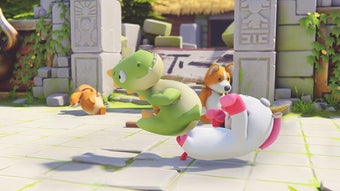
Party Animals, developed by Recreate Games, stages chaotic multiplayer brawls suited to short party sessions and group play. Players take control of floppy animal characters to contest arenas through physics-influenced melee and item interactions, with both local split-screen and online matchmaking supported. Notable features include multiple game modes, a varied character roster, interactive arenas, and mechanics that create emergent, laughter-driven moments. The game targets casual gamers, families, and friends who want accessible, social party matches.
What kind of game is Party Animals?
In this game, combat centres on an unpredictable ragdoll system that makes hits and throws behave differently each match. Players apply grabs, slams, and improvised pushes to move opponents into hazards, producing slapstick collisions under a ‘cute but lethal’ aesthetic. The developer describes the intent as creating "painfully great memories," and pacing favours brief, chaotic rounds rather than extended, methodical play.
Does it support mixed-platform multiplayer and spectator interaction?
In this game, matches support up to eight fighters and include cross-play between PC (Steam) and Xbox consoles, enabling mixed-platform lobbies. Eliminated participants retain influence by throwing items such as fish or bombs from the sidelines. Matchmaking and split-group sessions are available, and the title's online services are a central element of how progress and lobbies are managed.
What keeps players returning after the first session?
In this game, variety and emergent moments drive replayability. The package contains more than twenty maps with hazards like freezing water, crumbling bridges, and moving trains. Core modes include Last Stand, Team Score, and an Arcade selection of mini-games. Players also encounter a rotating set of interactable items and weapons, for example
- shovels, lollipops, and plungers
- map-specific machinery and moving obstacles
Is the learning curve accessible or demanding?
In this game, controls permit immediate entry to matches while offering a meaningful skill ceiling; timing and positioning matter because physics determine outcomes. Progression leans toward cosmetic unlocks and outfit choices rather than complex talent trees, so the reward loop favours personalization over layered competitive systems. Short session design suits social play, while players seeking deep mechanical ladders may find less competitive granularity.
A social pick with strong player appeal and some community baggage
The game is a lively option for groups seeking short, laugh-focused sessions, and Steam's Very Positive reception highlights widespread appreciation for its core charm. However, launch-era controversies around policies and a disputed contest remain part of its history and may affect community perception. Players prioritizing communal party fun get clear value; those who weigh community conduct should consider that background.